

Import and export of Alkaline Lignin (GSA) – a sustainable binder from softwood

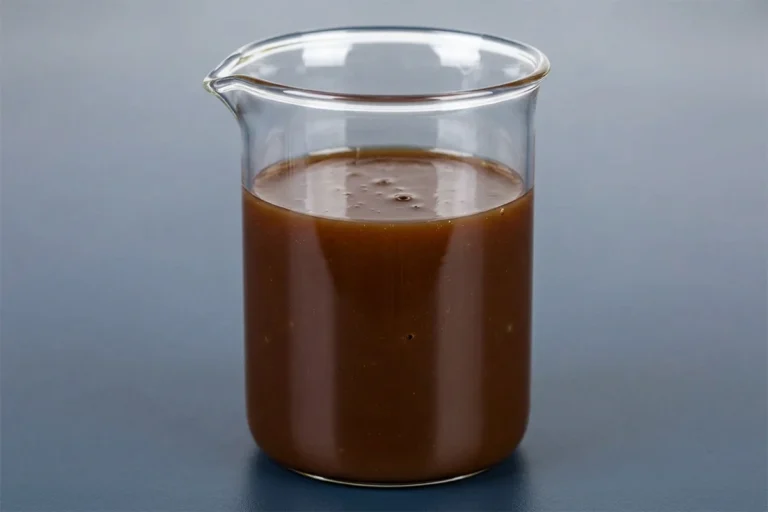
We offer Alkaline Lignin (GSA) sourced from South European softwood. The product is obtained by separating lignin from lignocellulose (wood) through alkaline hydrolysis, using a sulfur-free, hot alkaline extraction process.

Product overview

  • Origin: France
  • Raw material: South European softwood
  • Production: sulfur-free hot alkaline extraction
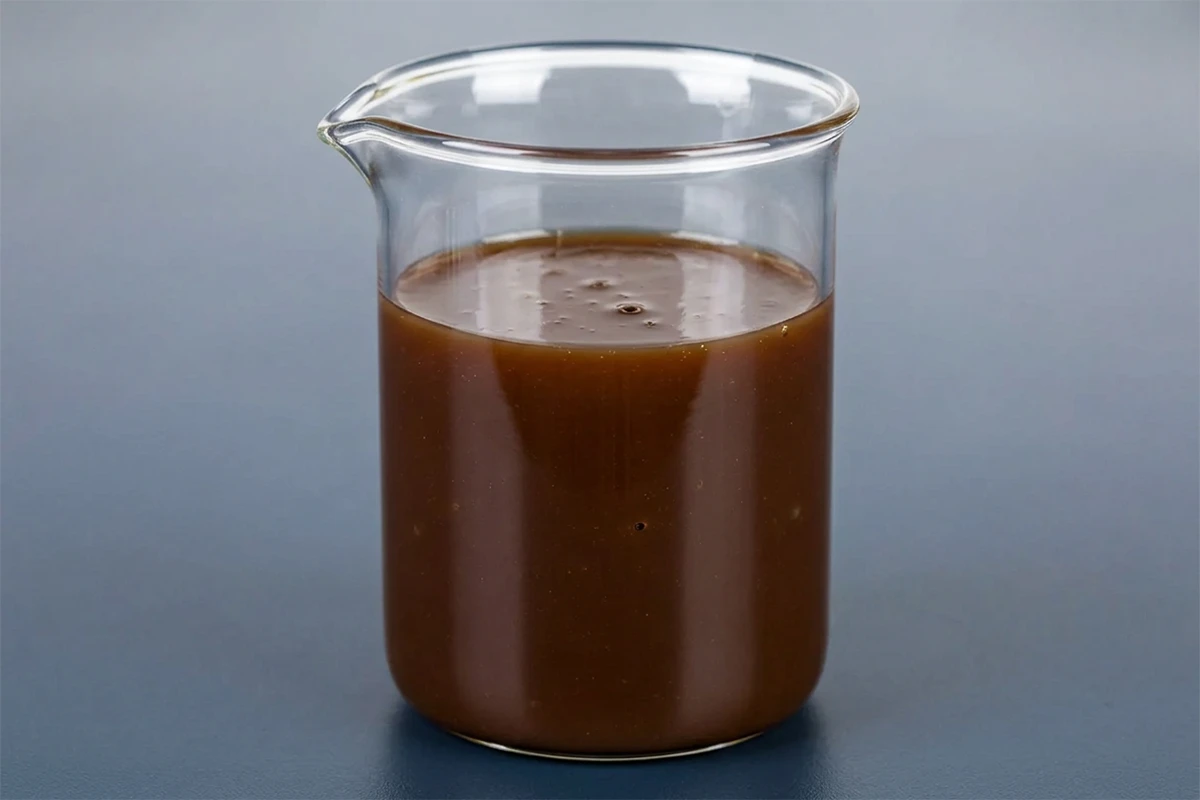
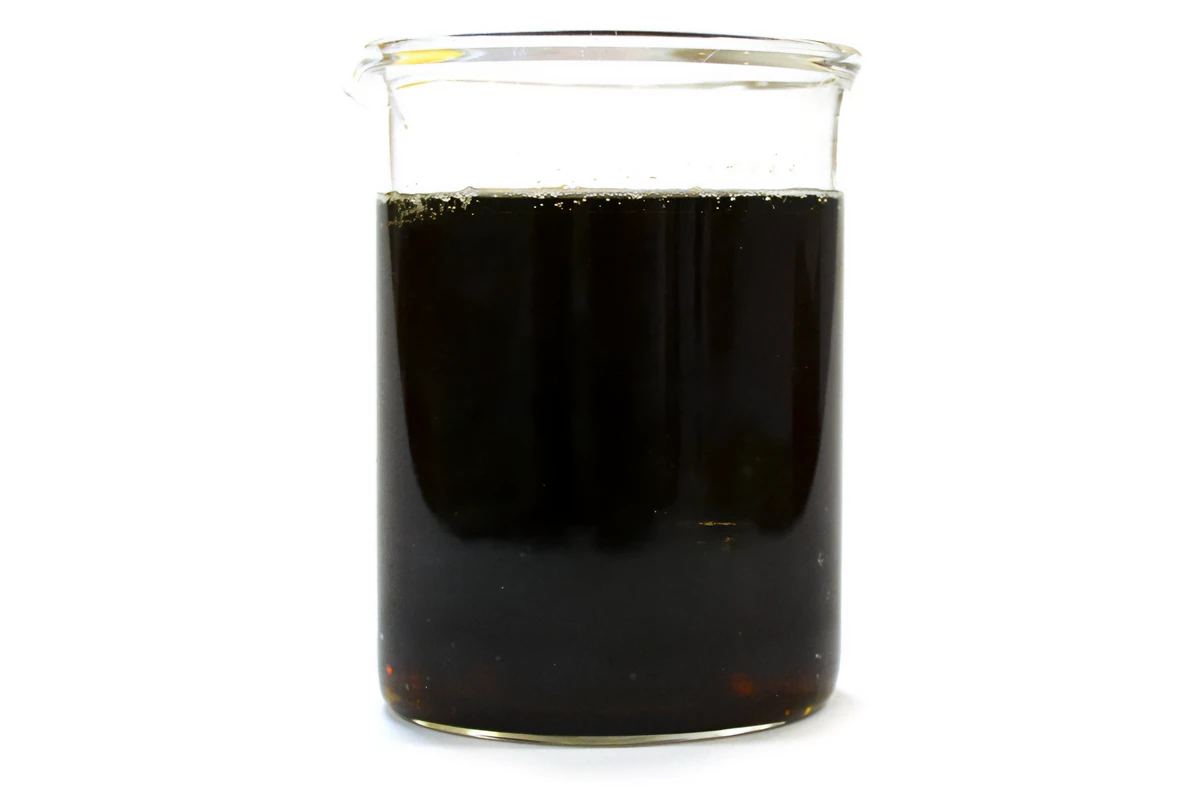
  • Appearance: viscous black syrup/liquor (“black liquor”)
  • Application: binder, dispersant and emulsifier; raw material for the production of bioplastics, resins and coatings
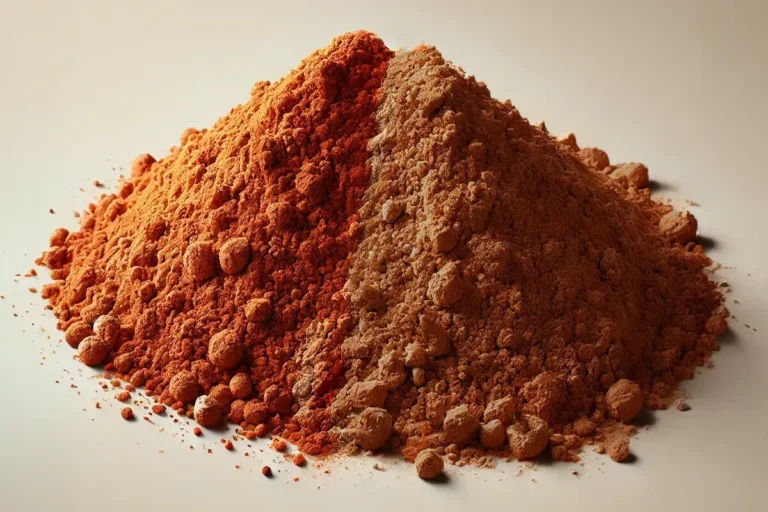
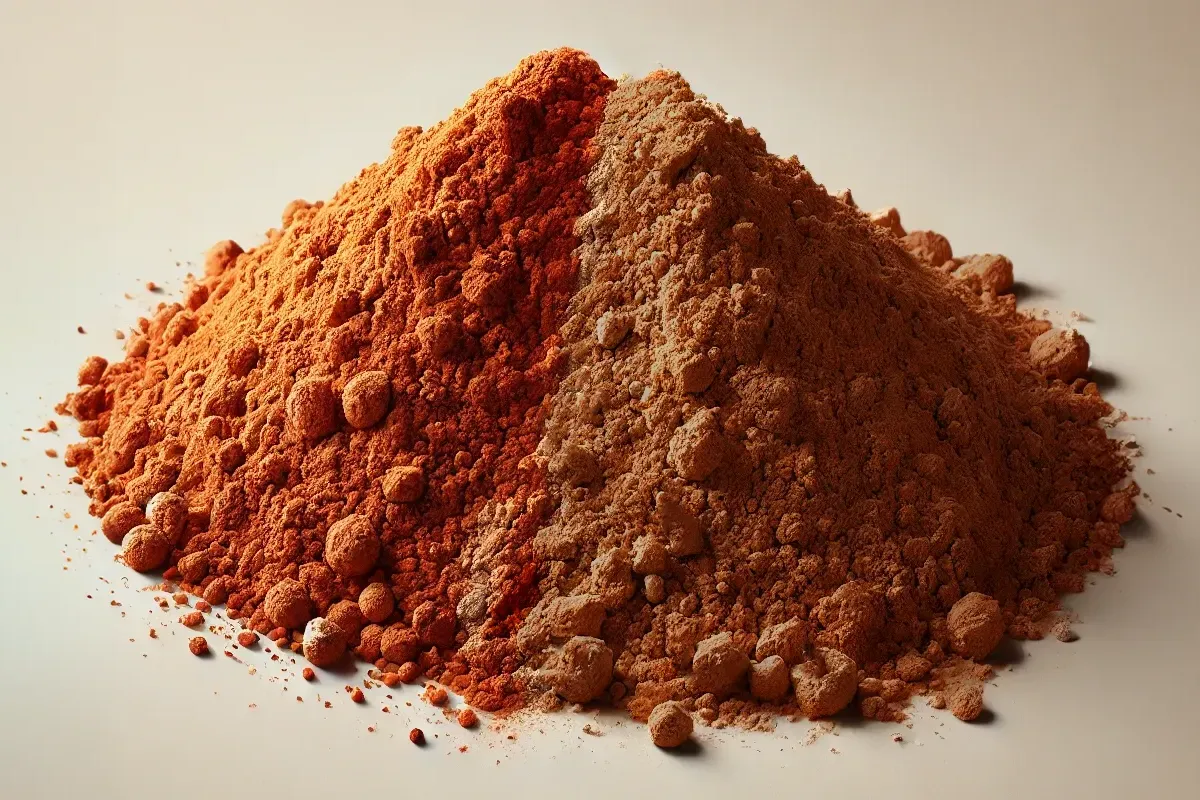
  • Supply form: also available in liquid form (cleaning and return logistics costs must be taken into account for liquid deliveries)

Average values

Organic components

ParameterValue
UV lignin20 – 30 %
Organic acids4 – 17 %
Hydroxide-containing acids6 – 14 %
Residual soaps0.4 – 2 %
Sugar< 1 %
Residual fibresØ 1.1 %

Inorganic components

ParameterValue
Sodium14 – 24 %
Sulphates1 – 6.5 %
Carbonates2 – 5 %
Calcium0.1 – 0.3 %
Potassium0.1 – 0.3 %
Magnesium0.1 – 0.3 %
Ash @ 900 °C27 – 36 %

GSA as a sustainable biofuel

GSA is a sodium-rich bioproduct and an ideal, sustainable biofuel for recovery boilers. It enables kraft paper manufacturers to maximise bioenergy and green electricity production while increasing the recovery of caustic soda (sodium hydroxide) in the process. Alkaline Lignin also serves as a raw material for bioplastics, resins and coatings, and is used as a binder, dispersant and emulsifier across various industrial applications.

Sustainability of Alkaline Lignin (SEO text, for the bottom of the page)

Alkaline Lignin is a sustainable raw material generated as a by-product of pulp production from South European softwood – a renewable resource from responsibly managed forestry. Rather than going unused during paper production, the lignin contained in the wood is recovered through sulfur-free, alkaline extraction and put to meaningful further use. In this way, Alkaline Lignin actively contributes to the circular economy: a residue from the paper industry becomes a valuable raw material for new applications.

As a sodium-rich bioproduct, GSA is ideally suited as a sustainable biofuel for recovery boilers in kraft paper production. This helps to save fossil energy, increases the production of bioenergy and green electricity, and at the same time raises the recovery rate of caustic soda in the process – an example of how a residue from wood processing can be used multiple times before disposal.

Alkaline Lignin also contributes to sustainability beyond the paper industry: as a raw material for bioplastics, resins and coatings, it can replace fossil-based raw materials in industrial processes. As a binder, dispersant and emulsifier, it offers manufacturers a bio-based alternative to synthetic additives – a contribution to the bioeconomy that also increases the value created from renewable resources.

With Alkaline Lignin, Otto Dille offers customers in the wood, paper and chemical industries a sustainable, bio-based raw material that conserves fossil resources and returns residues meaningfully to the circular economy.