


- Specialist importer & exporter of construction chemicals
- High-strength admixtures for concrete and mortar
- Environmentally friendly chemicals
- Stockist, warehouse operator
- Reliable supply to 25+ countries worldwide
- 117+ years of experience in international chemical trade
Refractory Materials, Concrete & Cement
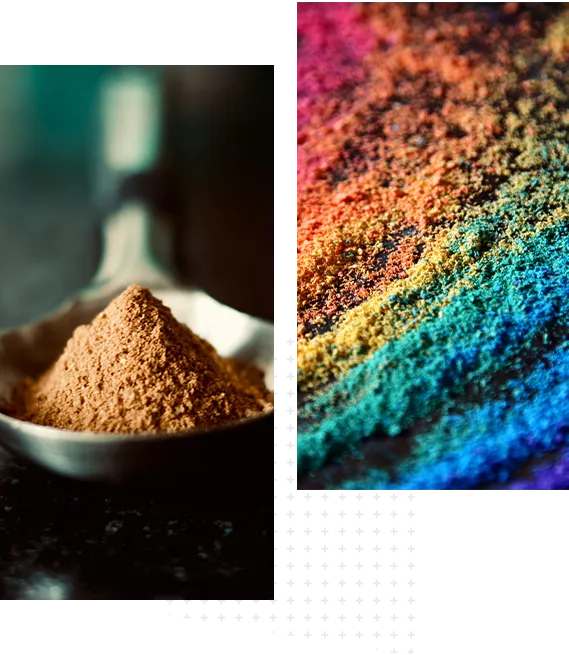
Lignosulfonates have been used for many years as a dispersing agent in the production of bricks, tiles, pots, and similar refractory products. The additive increases the plasticity of the raw mass, reduces shrinkage during firing, and therefore results in less breakage after firing. Its high dispersing capacity also allows for a significant reduction in water content without changing viscosity – saving costs through shorter firing times. As lignosulfonates are organic products, they are completely eliminated during firing and therefore have no effect on the subsequent processing of the refractory products.
In the cement industry, lignosulfonate is used as a dispersing agent for raw cement slurry (approx. 0.3% based on dry weight), as well as a grinding aid (dosage of 0.1–0.3%) and as a binder in dry-process granulation.
In the concrete industry, lignin serves as a raw material for concrete admixtures – particularly for concrete types with special properties. In larger concrete structures, especially in hot climates, extending the setting time is recommended; in addition to their dispersing effect, lignosulfonates also have a retarding effect on setting time. The required dosage must be precisely calibrated based on temperature, humidity, and cement type, as excessive dosing would negatively affect the concrete’s strength properties. The effects of lignosulfonates in concrete at a glance:
- Dispersion and plasticization
- Retardation of setting time
- Air-entraining effect
Lignosulfonates have also been used for decades in foundries to produce refractory molds, including by abrasives manufacturers. Our Calcium Ammonium Lignosulfonate C12 has proven particularly effective in this application: it dissolves quickly and completely in water and is suitable for producing core sand mixtures – including in combination with bentonite or grain waste. Adding 2–3% C12 achieves optimal green strength with as little as 1% water. Dry sand is recommended, with the required water added only during mixing – this also facilitates subsequent drying. Because C12 becomes water-insoluble when heated, it is particularly well suited as a core binder, offering high dry strength and reduced hygroscopicity. For surface treatments, a 10% C12 solution is recommended, either on its own or in combination with graphite, chamotte, or similar materials.
Plasterboard
Due to their dispersing efficiency, lignosulfonates counteract the natural tendency of finely divided particles to agglomerate or flocculate in water. The result is a smoother, more homogeneous suspension. The resulting reduction in viscosity allows for a reduction in the amount of water needed to pump the slurry into the production machine. Depending on the quality and purity of the gypsum and the dosage of the dispersing agent, adding 0.03–0.1% lignosulfonate (based on CaSO₄ · ½H₂O) results in water savings of 50–100 kg per tonne of gypsum, or 100–150 kg of water per kilogram of dispersant added – translating into noticeable savings in drying costs and increased drying capacity. Board strength also increases: studies showed a flexural strength approximately 20–30% higher than untreated material.
Construction industry
Concrete & Mortar Admixtures for High-Performance Applications
High-Performance Additives for Concrete and Mortar
Modern construction demands the highest standards from the materials used – in terms of strength, workability, and durability. Otto Dille supplies concrete manufacturers, precast plants, and building material producers with high-quality concrete admixtures and mortar additives, sourced through our established international trading network.
With over 117 years of experience in the import and export of chemicals, we know what matters in your production: consistent quality, reliable availability, and chemical solutions that specifically enhance the mechanical properties and workability of your concrete and mortar mixes.
Our Additives for Concrete and Mortar
- Lignosulfonates: A proven, naturally derived superplasticizer and water reducer. Lignosulfonates improve workability, reduce the water-cement ratio, and increase compressive strength – essential for high-performance concrete and mortar formulations. Available as powder or liquid.
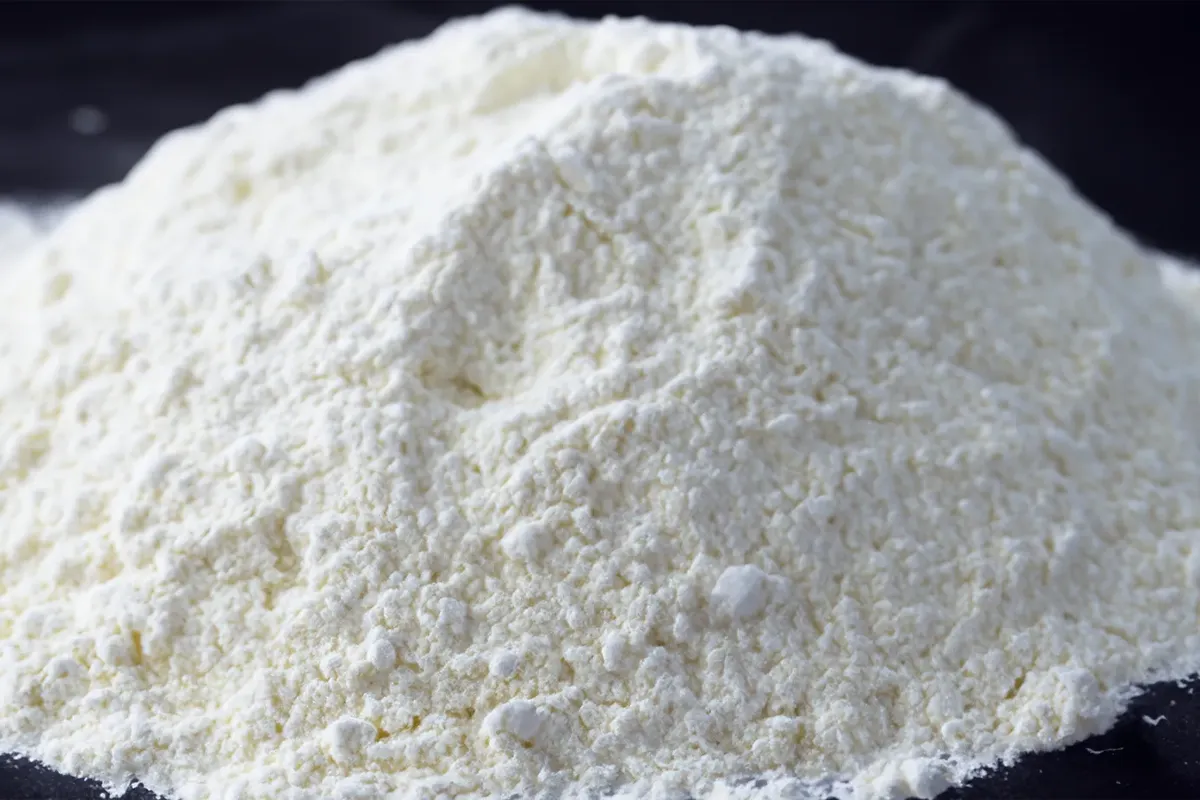
- Crystalline Quartz Flour: A functional filler and pozzolanic component for cement-bound systems. Refines the concrete matrix, increases chemical resistance, and improves long-term durability – ideal for high-strength and ultra-high-performance concrete (UHPC).
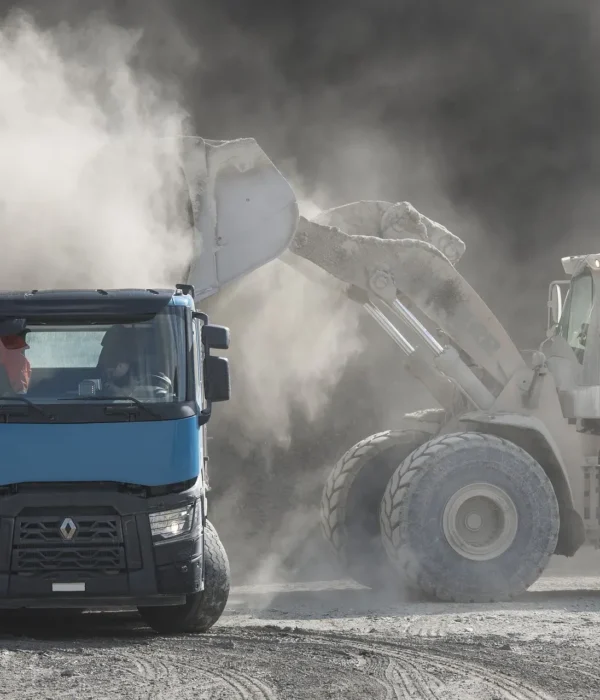
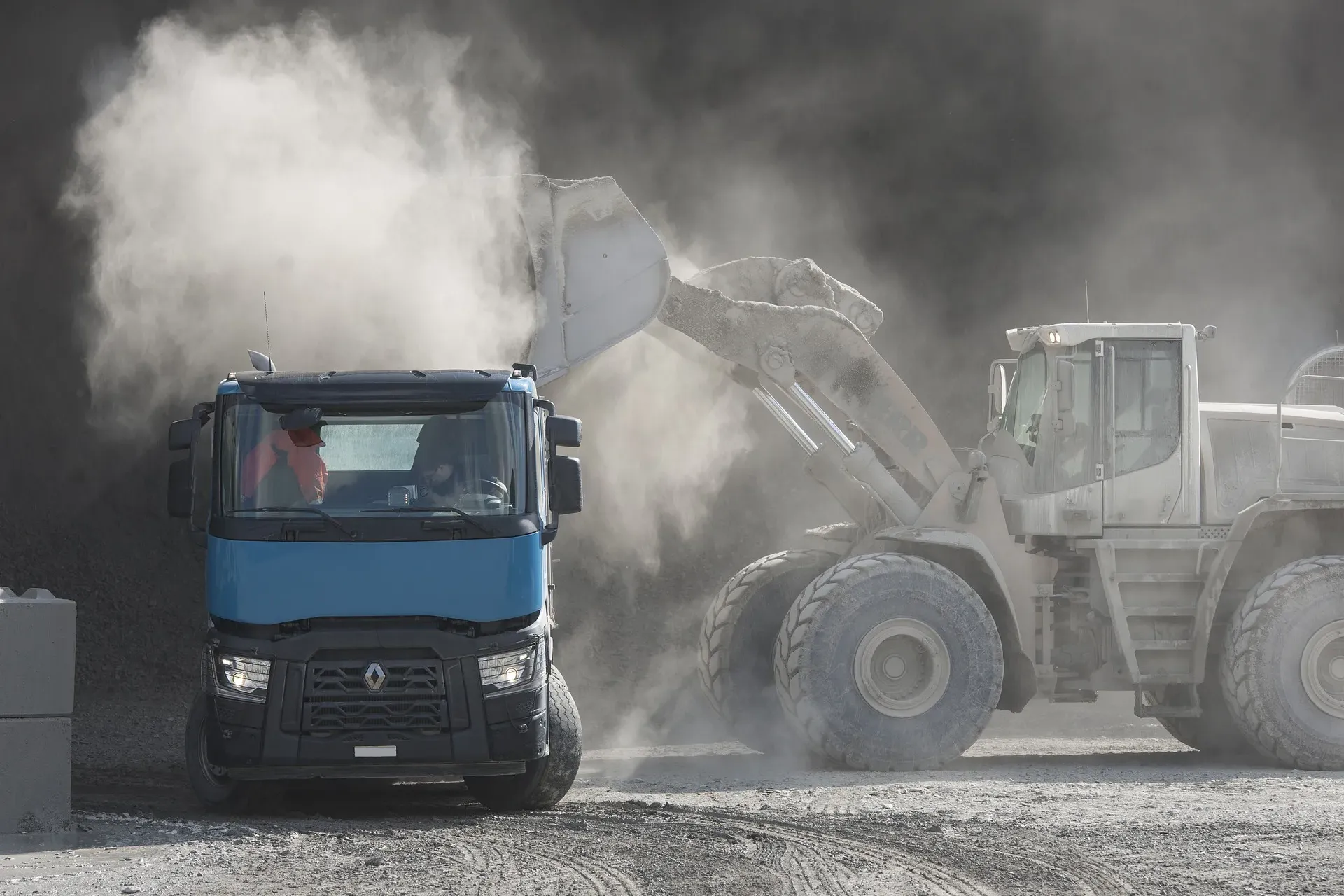
- Dust Suppressants: For safe, compliant construction sites. Our dust control agents reduce fine particulate emissions on dry concrete surfaces, unpaved areas, and demolition sites – reliably and in an environmentally friendly way.
Quality Assurance and Sustainable Sourcing
The performance of concrete starts with the quality of its raw materials. Otto Dille works exclusively with certified suppliers and conducts strict quality controls before any admixture enters our supply chain. We source our products from more than 500 vetted manufacturers in over 25 countries – ensuring every delivery meets the technical requirements of your application.
Sustainability is not just a buzzword for us: wherever possible, we favor bio-based or environmentally friendly additives such as lignosulfonates – a natural by-product of paper production that can replace synthetic superplasticizers without compromising performance.
Asphalt
Asphalt production typically relies on bitumen – a petroleum-based binder that is neither renewable nor particularly environmentally friendly. Lignin offers an environmentally friendly alternative with comparable properties: it is significantly cheaper and is not subject to the price fluctuations of the oil market. As a by-product of paper production, its use also meaningfully returns it to the material cycle.
Insulation Materials
Effective, sustainable insulation materials are an essential part of modern construction for energy conservation. Mineral- and petroleum-based insulation materials currently dominate the market, while bio-based alternatives made from renewable raw materials are so far only used in small quantities. Their advantage: they require less energy to produce, conserving fossil resources. However, some aspects – such as handling, fire behavior, or mechanical stability – are not yet fully developed and require further research and testing to become competitive with mineral- or petroleum-based alternatives.
Construction Ceramics & Climate-Friendly Ceramic Production
Construction ceramics include all ceramic components used structurally or decoratively in buildings – such as bricks, roof tiles, floor and wall tiles, clinker, stove tiles, or clay pipes – each with specific requirements for thermal, acoustic, and mechanical strength as well as weather resistance.
In the production of ceramic articles, lignosulfonates are used for their dispersing properties with respect to clay: clay/water dispersions can be produced with less water at the same viscosity. Adding 0.25–0.4% lignosulfonate to pottery and fine porcelain clay significantly increases the green and dry strength of the mass – making processing easier and considerably shortening drying time. In casting slip, usually in combination with Na₂CO₃, the addition of lignosulfonate considerably shortens setting time and increases strength, which boosts mold output and reduces breakage and rejects. Lignin also has the potential to replace fossil fuels in this process.
Bricks are made from mineral clays or loam and are hardened by firing at very high temperatures. They are typically solid, highly load-bearing, and therefore particularly well suited for load-bearing walls – hard, break-resistant, and weatherproof.
Particleboard
The use of lignosulfonates in particleboard production has been industrially established for decades – in both phenolic resin-bonded and urea resin-bonded particleboard. Depending on individual production conditions, typically around 15–25% of the higher-priced resins can be replaced with more cost-effective lignosulfonates.
Do you need support with chemical services?
Import and export
Exclusive chemical solutions for the highest demands
Tanning
Dyeing
Binders
Thermal insulation
Innovative solutions
Need Concrete or Mortar Admixtures?
25 +
Countries
80 +
Chemicals
117 +
Years
Our work process
Simple steps

Inquiry

Review

Import

Delivery
Experience our export products
We offer the best solution for your success





Your Advantages with Otto Dille
Import & Export Partner
Competitive Pricing
Access to Advanced Formulations
Full-Service Logistics
Certified & Documented
We import

Efficiency
A Reliable Partner for Construction Chemical Supply
Otto Dille has been trading specialty chemicals internationally since 1908. Our construction industry clients trust us not just for the quality of our admixtures, but for the consistency and transparency of our service. Whether you need lignosulfonates as plasticizers for concrete, quartz powder for UHPC formulations, or dust control agents for your site operations – we source, import, and deliver to your specification.
Get in touch and let us build the right supply solution for your project.
Your Benefits with Otto Dille
- Access to high-quality, certified products
- Many years of experience and expertise in international trade
- Comprehensive support in logistics and customs clearance
- Commitment to sustainability and environmental awareness