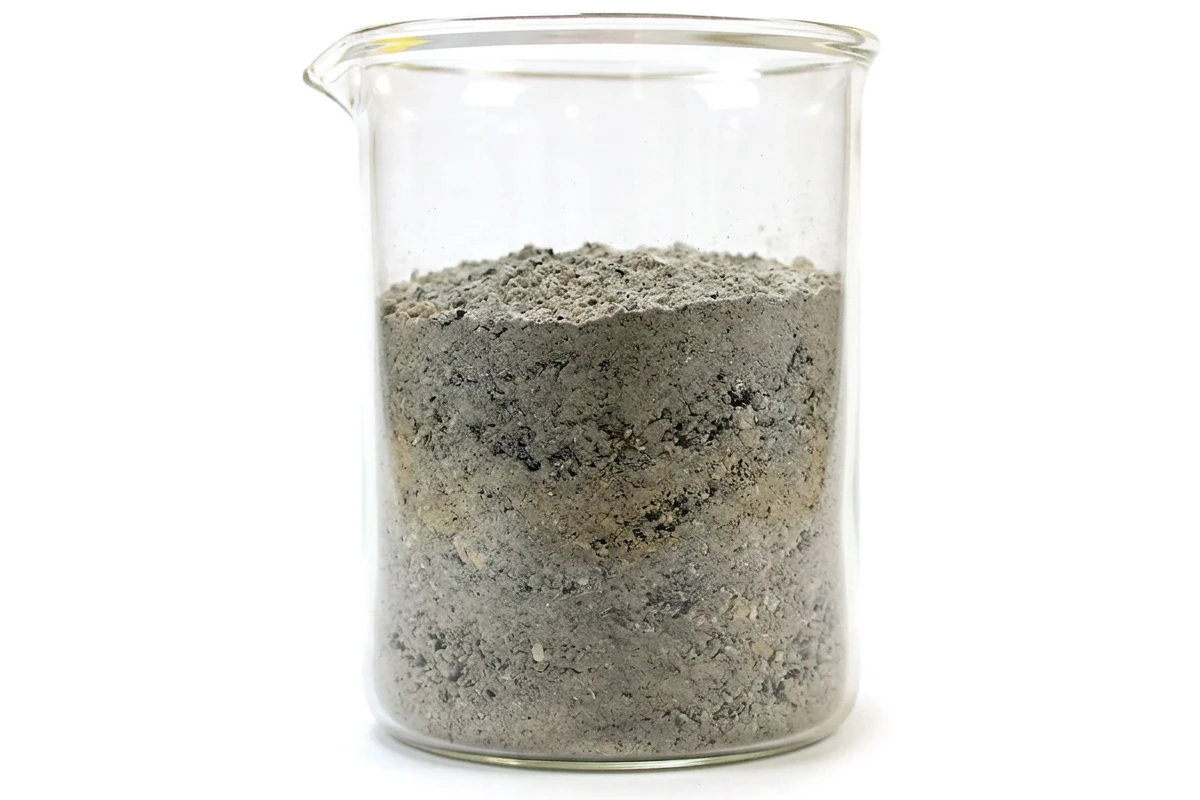
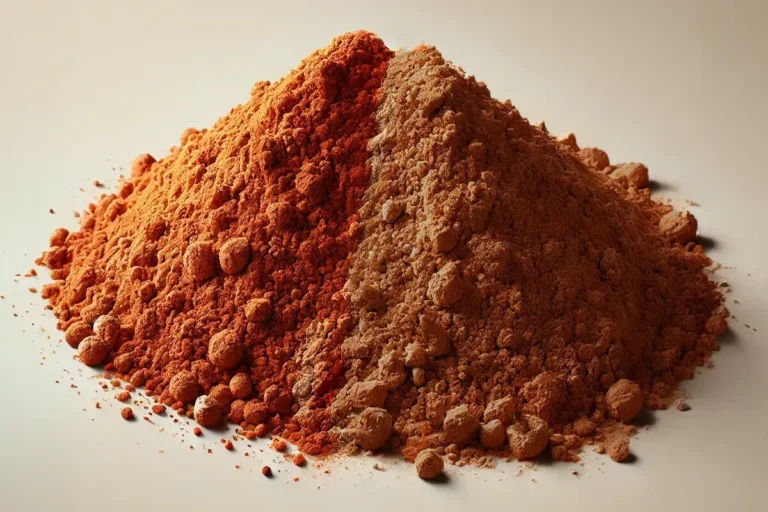
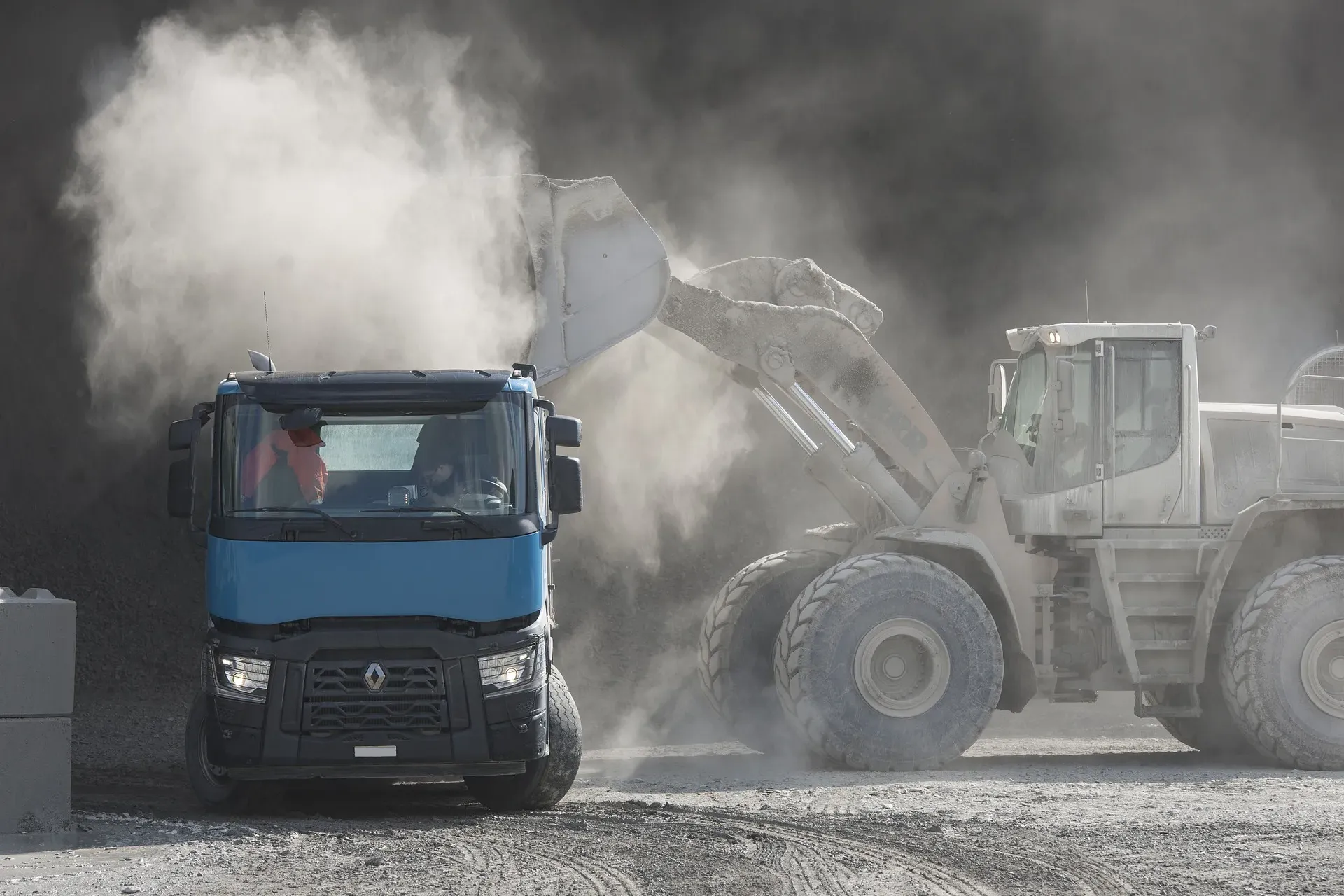
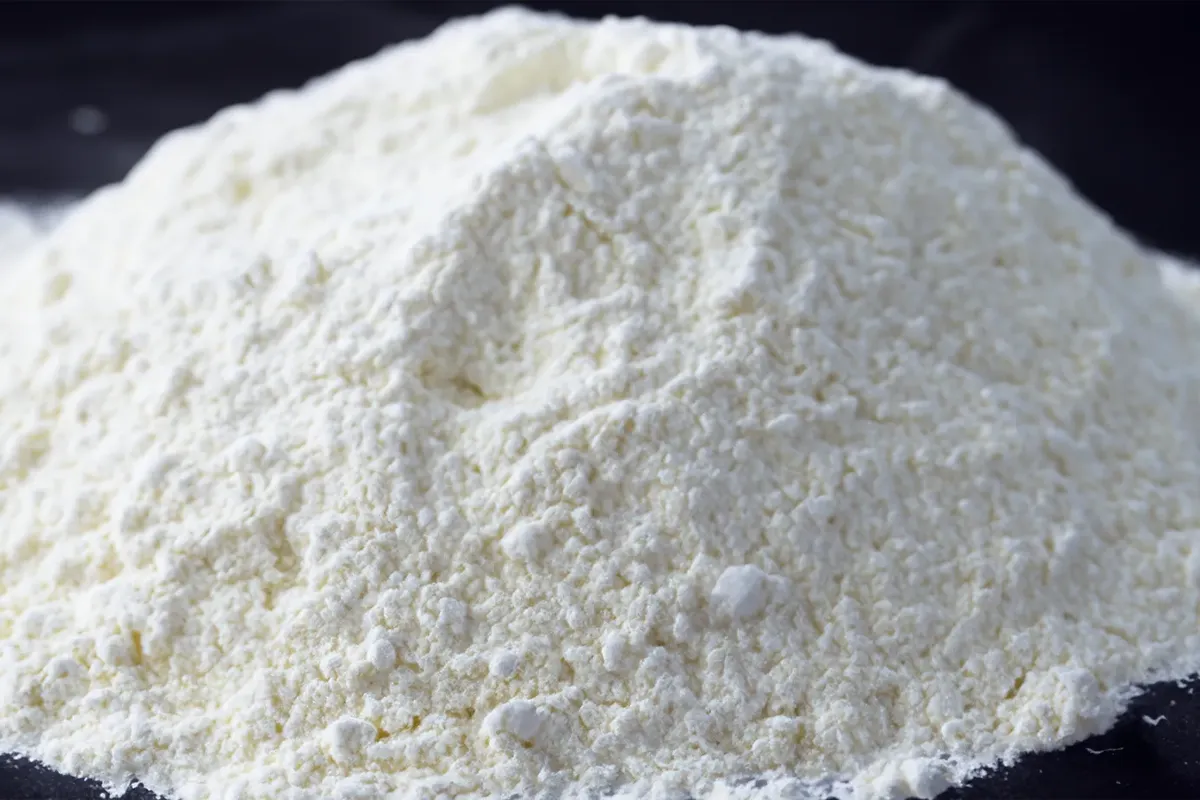
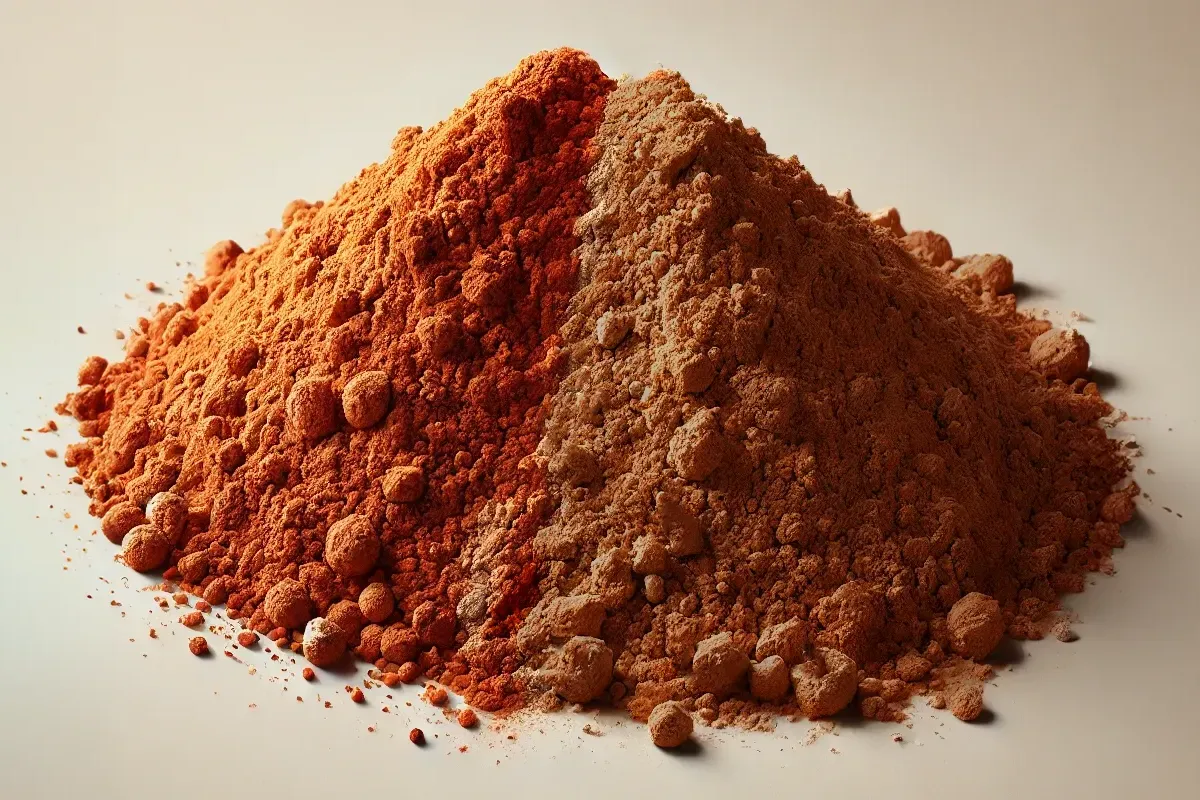
Biomass ash is a by-product generated during the combustion of natural, untreated biomass – such as wood, straw or bark. As a valuable raw material of the circular economy, it is gaining increasing importance: rising shares of bioenergy mean more biomass ash is produced, offering significant potential to reduce landfill disposal.
Applications
- Agriculture – raw material for fertilisers
- Construction industry – road infrastructure, noise barriers, road verges, and cement production
- Ceramics industry – as a flux or opening agent
- Chemical industry – as a binder in the production of chemical products
Use in agriculture
Biomass ash is a valuable secondary raw material for agriculture and forestry, subject to compliance with certain requirements and guidelines. It has a high nutrient content and a soil-improving effect, allowing it to be returned to the natural cycle through its use.
Plant ash has a high calcium and magnesium content, so its use can achieve an effect similar to soil liming. Due to the relatively high calcium content of wood ash (between 20% and 35%), it is also suitable – similar to quicklime – as a binder for soil stabilisation, and can be used wherever an increase in soil pH is required (acidic soils). Since plant ash contains no nitrogen, this must be supplied separately, either organically or mineral-based.
A further advantage of using it as a fertiliser is that the ash loses its waste status, making it easier to reintroduce into the circular economy – benefiting the environment.
Use in the construction industry
The cement industry uses biomass ash to reduce carbon dioxide emissions. It can be used as a cement clinker substitute or concrete additive. Due to its chemical composition, it can replace fossil fly ash, which is becoming scarcer as coal is phased out. Besides cement, ash is also used in the production of mortar, paving stones, or as a raw material for lightweight aggregates.
Use in the ceramics industry
Biomass ash is gaining increasing importance in the ceramics industry as a sustainable raw material, particularly in connection with the circular economy and CO₂ reduction. It can replace primary raw materials, as its composition gives it potential as a flux or opening agent (mineral or organic additives such as sand, chamotte, limestone powder, or chaff/cereal stalks) in ceramic bodies.
Average values
| Parameter | Unit | Average value |
|---|
| pH | – | 9.5 – 12 |
| Dry matter | % | 85 – 95 |
| Loss on ignition | % | 1 – 2 |
| Total organic carbon | g/kg | 2 – 10 |
| Total nitrogen | g/kg | 0 |
| Phosphorus pentoxide (P₂O₅) | g/kg | 5 – 8 |
| Calcium oxide (CaO) | g/kg | 50 – 80 |
| Magnesium oxide (MgO) | g/kg | 6 – 10 |
| Potassium oxide (K₂O) | g/kg | 5 – 20 |
| Sodium oxide (Na₂O) | g/kg | 2 – 4 |
| Sulphate (SO₄) | g/kg | 2 – 4 |
| Cadmium (Cd) | mg/kg DM | 2 – 4 |
| Chromium (Cr) | mg/kg DM | 25 – 55 |
| Copper (Cu) | mg/kg DM | 90 – 130 |
| Mercury (Hg) | mg/kg DM | < 0.2 |
| Nickel (Ni) | mg/kg DM | 15 – 30 |
| Lead (Pb) | mg/kg DM | 150 – 400 |
| Zinc (Zn) | mg/kg DM | 500 – 1,000 |
| Hydrocarbon index, PCB, PAH, BTEX | mg/kg DM | each < LQ (limited quantities) |
| Dioxins and furans | mg/kg DM | 4 – 9 |
(DM = dry matter)
Legal notice
A range of statutory regulations must be observed in order to properly utilise wood ash. At the federal level (Germany), these include the Waste Management Act, the Composting Ordinance, the Waste Balance Ordinance, the Contaminated Sites Remediation Act, the Fertiliser Act, and forestry and water law. At the state (Länder) level, there is currently no separate statutory regulation governing the use of plant ash as a fertiliser.